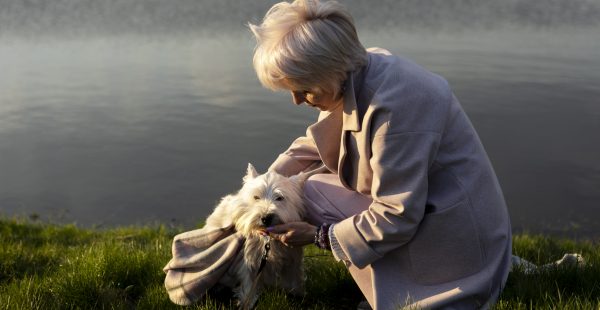
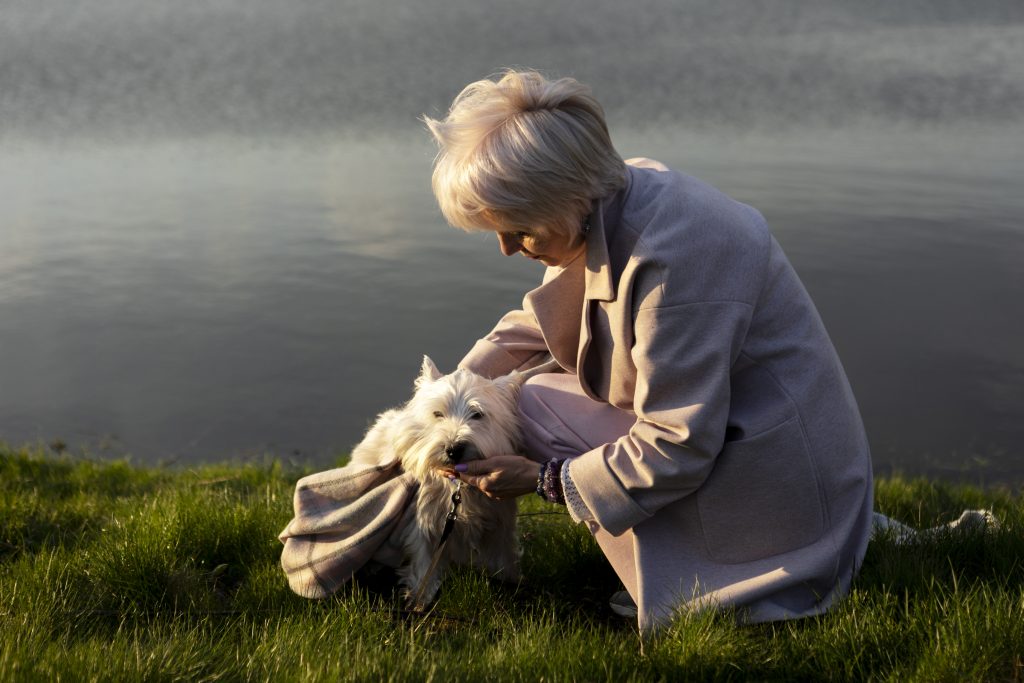
The benefits of having a pet’s companionship to combat loneliness
According to a pioneering study by Brigham Young University (USA), the lack of social connections in Older Adults is as harmful to health and longevity as smoking 15 cigarettes a day, and can cause various illnesses, both mental and physical.
At the mental illness level, dementia, depression, and chronic insomnia stand out. In the area of physical illnesses, high blood pressure is evident, as well as a nearly 30% increase in the probability of suffering a stroke. At the same time, the immune system becomes weaker, which can lead to recurrent infections.
One way to prevent this and help Older Adults regain their energy is to have a pet. In this way, their family member is creating a routine and even encouraging mobility. However, choosing the ideal animal depends heavily on the health status, mobility, and type of housing of the Elderly Person.
There is no single perfect animal for everyone, but rather the right animal for each senior’s profile. Here are the best options and how to choose:
The Cat (The Champion of Convenience)
For the vast majority of seniors, the cat is the most suitable pet.
- Why: Cats are independent, clean (they use the litter box on their own), and do not need to go outside for walks. They are quiet, love the warmth of a lap, and adapt perfectly to small apartments.
- Benefits: A cat’s purring has a scientifically proven effect on reducing stress and blood pressure in humans. They offer constant companionship without requiring major physical effort.
- Caution: Avoid adopting baby kittens (they are too energetic, scratch, and can cause the senior to trip). The ideal choice is an adult or senior cat (over 5 years old) that is already calm and gentle.
The Small Dog (For More Active Seniors)
The dog is the animal that creates the most intense emotional bond, but it requires much more responsibility.
- Why: It forces the senior to stay active and leave the house for daily walks. This simple act ensures that the senior gets some sun, moves around, and talks with other dog owners on the street, combating social isolation.
- Most recommended breeds: Small, calm breeds that require little complex grooming care, such as the Pug, Cavalier King Charles Spaniel, Maltese, or a small-sized mutt/mixed-breed dog that is already an adult.
- Caution: A large or very energetic dog (like a young Labrador or a Jack Russell) can pull hard on the leash and cause severe falls, in addition to requiring cleaning and walking efforts that the senior may not be able to handle in the long run.
Birds (Visual and Sound Stimulation)
For seniors with very reduced mobility or who spend the day sitting/in bed, a bird (such as a Canary or a Budgie) can be an excellent option.
- Why: The bird’s singing brings life and sound into a home that would otherwise be in absolute silence. They require low maintenance (changing the water, food, and cleaning the cage weekly).
- Benefits: Observing the bird’s colors and behavior works as a relaxing visual therapy.
Questões prévia a verificar antes de escolher o animal:
Preliminary questions to check before choosing the animal:
- Does the senior have good mobility? If yes, a small dog is great. If they have a risk of falling or difficulty walking, the cat should be the priority choice.
- Who will cover the expenses and veterinary visits? The children must be willing to help with the logistics (buying heavy pet food, taking them to the vet, etc.).
- What happens to the animal if the senior falls ill? There must always be a family contingency plan to take in the animal in case the senior needs to be hospitalized or move to a residential care facility.
In summary, the choice of a pet should be made by the entire family, including the senior. During selection, the issue of home hygiene must be considered, as it will be necessary to frequently clean up pet hair. If there are children within the family, visits to the Older Adult’s home will increase so they can play with the new mascot. If you need help, KindCare is available to provide full support, both with walking the animal and cleaning the home.
Sources:
https://journals.plos.org/plosmedicine/article?id=10.1371/journal.pmed.1000316
https://www.thelancet.com/commissions/dementia-prevention-intervention-care
https://www.ahajournals.org/doi/10.1161/JAHA.122.026493
https://www.nia.nih.gov/news/social-isolation-loneliness-older-people-pose-health-risks